A new salon appointment can feel surprisingly personal. You are trusting someone with a look you see in the mirror every day, whether you want a subtle trim, a complete color change, or help figuring out what suits you now. This guide to your first salon visit will help you arrive prepared, communicate clearly, and settle into the experience with confidence.
At a professional salon, the appointment should not feel rushed or one-size-fits-all. Your stylist should listen, assess your hair, explain realistic options, and create a plan that considers both the result you want and the upkeep you are comfortable with.
Before Your First Salon Visit: Prepare for a Better Consultation
You do not need to know every technical term before booking. In fact, clear everyday language is often more helpful than trying to name a technique you saw online. Start by thinking about what you like and do not like about your current hair. Maybe your ends feel heavy, your color has become too warm, your bangs are difficult to style, or you simply want more movement without losing length.
Photos can be useful, especially for color, shape, and styling inspiration. Bring two or three images rather than a large collection of conflicting looks. The most helpful photos show hair with a similar texture, density, and natural color to yours. A style that looks effortless on fine, straight hair may require a different cut, more styling, or more frequent maintenance on thick, curly, or textured hair.
It also helps to be honest about your routine. Tell your stylist how often you wash your hair, whether you use heat tools, how much time you realistically spend styling, and when your last color service took place. Mention at-home color, keratin treatments, relaxers, extensions, medications that may affect your hair, and any scalp sensitivity. These details are not small talk. They help your stylist protect the integrity of your hair and recommend services that make sense for you.
If you are booking a color service, arrive with clean, dry hair unless the salon gives you different instructions. Avoid applying heavy oils, dry shampoo, or root cover-up products right before your appointment. For a haircut-only visit, clean hair is usually ideal because it allows your stylist to see your natural texture and growth pattern clearly.
What to Expect at Your First Salon Visit
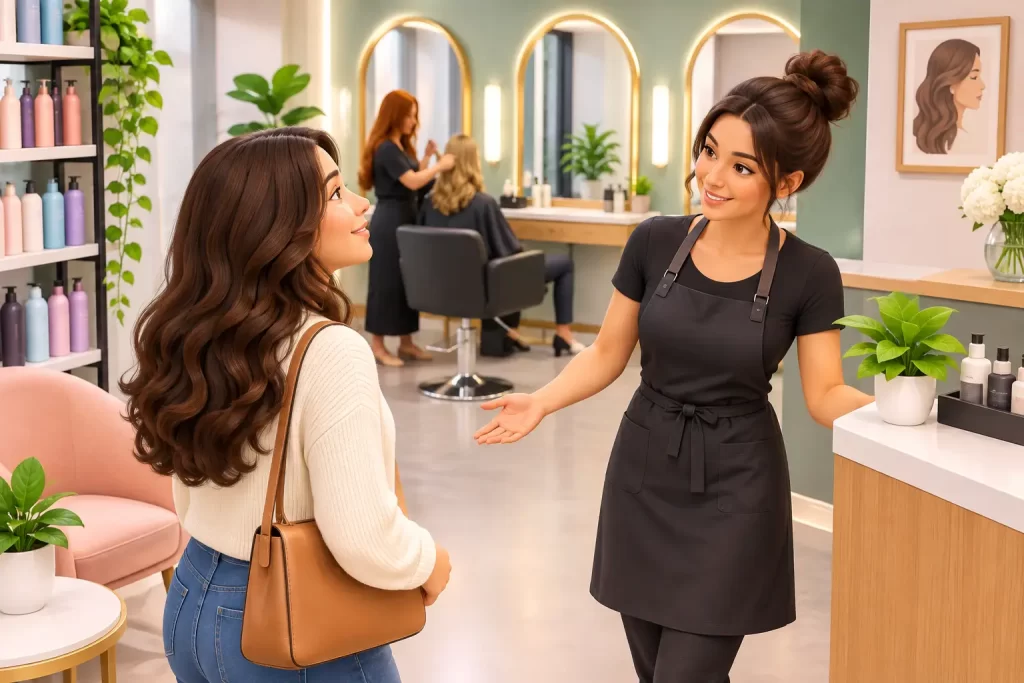
A thoughtful consultation is the foundation of a great appointment. Before the service begins, your stylist may ask what you hope to change, how you wear your hair most days, what has worked in the past, and what you would rather avoid. They may examine your hair’s density, texture, condition, and previous color history.
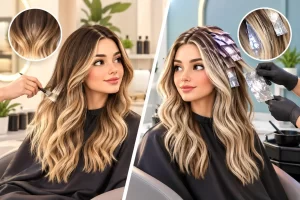
This is also the right time to discuss the difference between a goal and a guaranteed copy of a photo. Your stylist can absolutely use inspiration as a direction, but the final result depends on your starting color, hair condition, face shape, texture, and service history. A skilled professional will explain what is achievable in one appointment and what may be better approached over several visits.
For example, going from very dark color to a bright, dimensional blonde may take time if preserving hair health is the priority. That is not a limitation of good service. It is a sign that your stylist is working carefully instead of overprocessing your hair for a quick result that may not last.
Your stylist should also explain the maintenance involved. A soft, blended color may allow more time between appointments, while a high-contrast root color or precise short haircut may need more frequent upkeep. Neither choice is better. The right choice depends on your budget, schedule, and how polished you want your hair to look between visits.
Ask About Timing and Pricing Up Front
Salon pricing can vary based on hair length, thickness, color history, product use, and the complexity of the service. A color correction, for instance, is very different from a simple root touch-up even if both involve applying color. If you have a budget in mind, say so during the consultation. Your stylist can help prioritize the services that will make the biggest difference now and build a longer-term plan if needed.
Ask how long the appointment is expected to take, particularly for highlights, balayage, color corrections, or major changes. Giving yourself enough time makes the visit more relaxing and helps avoid the pressure of needing to leave before the service and finishing steps are complete.
At Visions Hair Studio, consultations are complimentary because the best results begin with a clear understanding of your hair, your goals, and the care required to maintain them.
How to Communicate What You Want
The most useful salon conversations include both preferences and boundaries. Instead of only saying, “I want layers,” explain what you want the layers to do. Do you want more volume around the crown, softness around your face, or movement that still fits into a ponytail? If you are nervous about losing length, say exactly that. You can ask your stylist to show you the first section before they cut it.
The same approach works for color. Terms such as “warm,” “ashy,” “bright,” and “natural” can mean different things to different people. Point to photos and explain what stands out to you. You might say that you like the brightness around the face but not the darker root, or that you want dimension without obvious stripes.
Speak up if something feels unclear. A good stylist welcomes questions about the plan, products, at-home care, and maintenance schedule. Professional expertise should make you feel more informed, not intimidated.
There is one useful distinction to keep in mind: be specific about the result you want, while staying open to the method your stylist recommends. You may ask for a certain look, but your stylist may suggest a different placement, formula, or cutting technique to achieve it more safely and naturally on your hair.
During the Service: Relax, Then Check In When It Counts
Once the consultation is complete, it is fine to relax. You do not need to monitor every step. Color services can involve waiting time while products process, and cutting often looks very different before the hair is dried and styled. Trust the process, especially when your stylist has explained the plan.
That said, your input still matters at key moments. If the water is too hot or too cold at the shampoo bowl, say so. If you experience discomfort, burning, itching, or unusual sensitivity during a color service, alert your stylist immediately. Comfort and scalp health are always worth addressing.
The final styling portion is when you can best see the shape, movement, and color placement. Let your stylist know if you would like to see the back, understand how to recreate the style at home, or learn which brush or product will help with a particular concern. A few minutes of instruction can make a new haircut far easier to enjoy after you leave the salon.
Leave With a Plan for Your Hair at Home
The right aftercare is not about buying every product on the shelf. It is about choosing what supports your service and works with your routine. Fresh color may benefit from color-safe shampoo, less frequent washing, heat protection, and an occasional conditioning treatment. A textured haircut may need a styling cream or mousse, while a sleek cut may benefit from a smoothing product and the right blow-dry technique.
Ask your stylist when to schedule your next visit. For some guests, a trim every six to eight weeks keeps the shape looking fresh. For others, especially those growing out their hair, a longer interval is appropriate. Color timing varies even more. Gray coverage, highlights, glosses, and dimensional color all follow different schedules.
Before you leave, take a moment to look at your hair in natural movement, not only from the salon chair. If you want a small adjustment, such as a softer face frame or a styling note, say so politely before the appointment ends. Clear feedback helps your stylist care for the details that matter to you.
Your first salon visit is not a test you need to pass. It is the beginning of a working relationship with a professional who learns your hair over time. Arrive with a few honest thoughts, ask the questions that help you feel comfortable, and give yourself permission to choose a look that fits your real life as beautifully as it fits your inspiration photo.