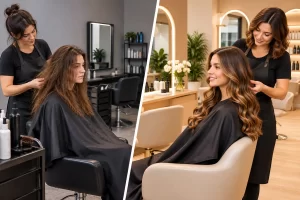

A great salon appointment should not begin with a rushed glance at a photo and a quick trip to the shampoo bowl. The best questions for salon consultation create a clear conversation about your hair, your routine, and the result you can realistically expect. That conversation is where confidence starts.
Whether you are considering a major color change, updating your cut, or looking for a stylist you can see regularly, asking thoughtful questions helps you make informed choices. It also gives your stylist the information needed to recommend services that suit your hair instead of forcing it into a one-size-fits-all plan.
Why a Salon Consultation Matters
Your hair has a history. Previous color, heat styling, chemical services, medications, texture, density, and daily habits can all affect what is possible in a single visit. A consultation allows your stylist to assess those factors before making promises or applying color.
It is also the best time to discuss maintenance. A beautiful result has to work beyond the salon chair. The right cut, color placement, and product routine depend on how often you want to visit, how much time you spend styling, and how you want your hair to feel on an ordinary Tuesday morning.
A professional stylist should listen closely, ask follow-up questions, explain options clearly, and be honest if your goal will take more than one appointment. That is not a limitation. It is careful work that protects the condition of your hair.
Best Questions for Salon Consultation Before a Cut or Color
1. What would work best for my hair type and face shape?
Bring inspiration photos, but ask your stylist to interpret them through the reality of your own hair. A style can look very different depending on curl pattern, hairline, density, and how your hair naturally falls.
This question opens the door to professional recommendations. Your stylist may suggest adjusting the length, layers, fringe, or color placement so the overall look feels flattering and wearable for you.
2. Is this result realistic for my current hair?
This is especially valuable before a color service. A rich brunette may be able to move lighter with minimal effort, while hair with dark permanent color, box dye, or uneven previous lightening may need a more gradual approach.
Ask for a direct answer about what can be achieved safely that day. If the answer is that your goal requires multiple sessions, ask what the first appointment can accomplish and what the longer plan will look like. Healthy hair is worth more than a rushed transformation.
3. What do you notice about the condition of my hair?
A stylist’s assessment should go beyond the shade you want. Ask about dryness, breakage, porosity, elasticity, split ends, or areas with old color buildup. These details influence which services and formulas are appropriate.
If your hair needs preparation before a significant color change, your stylist may recommend a trim, conditioning treatment, bond-supporting service, or a temporary adjustment to the plan. It depends on the condition of your hair and the amount of processing involved.
4. How much maintenance will this cut or color require?
Low maintenance means different things to different people. For one client, it means visiting every eight weeks. For another, it means being able to stretch color appointments for several months without a harsh grow-out line.
Ask how often you will likely need trims, glosses, root touch-ups, toner appointments, or highlighting services. If you prefer fewer visits, tell your stylist early. They may recommend dimensional color, a softer root blend, or a cut that grows out gracefully.
5. How should I style this at home?
A salon finish can be polished because of technique, tools, and time. Before choosing a new look, ask what it will require from you at home. Will you need to blow-dry it with a round brush? Use a diffuser? Curl sections? Refresh bangs every morning?
Be candid about your routine. If you usually air-dry and have ten minutes to get ready, your stylist can recommend a shape that supports that lifestyle. The best haircut is not only attractive when you leave the salon. It should make your daily routine easier.
6. Which products are truly necessary for this result?
You do not need to leave with a crowded shelf of products, but professional guidance can prevent unnecessary fading, dryness, or frustration. Ask your stylist to prioritize the essentials based on your service and habits.
For color-treated hair, that may mean a color-safe cleanser, conditioner, and heat protectant. For curls, it may mean a leave-in and styling cream. Ask how much to use, when to apply it, and whether there are alternatives for days when you want a simpler routine.
7. Can you show me how to maintain the color tone?
Blonde, gray, red, and fashion shades often need more attention between appointments than natural-looking dimensional color. Ask whether your tone is likely to become warm, brassy, dull, or faded and what you can do about it.
A purple shampoo can help some blondes, for example, but it is not a universal solution and can be drying if overused. Your stylist can recommend the right cadence based on your specific formula, lightness level, and hair condition.
8. What will the service include, and how is pricing determined?
Clear pricing is part of a comfortable salon experience. Ask what is included in the quoted service, such as a haircut, blowout, toner, gloss, treatment, or style. Also ask whether hair length, thickness, time, correction work, or the complexity of the desired result may affect the final price.
This is not an awkward question. Customized services often require different amounts of color, product, and appointment time. A transparent conversation helps you choose a plan that fits your goals and budget before the service begins.
9. What are the trade-offs with this look?
Every style has trade-offs. A dramatic layered cut can create movement but may require more styling. Bright platinum can make a statement but usually demands more frequent maintenance and careful home care. Extensions can add length and fullness but require an ongoing investment and specific upkeep.
Ask your stylist what you gain and what you will need to commit to. The right answer may be a bold change, a softer version of your inspiration, or a plan that lets you try something new without overprocessing your hair.
10. What should I avoid after my appointment?
The first few days after a service can make a difference, particularly after color, smoothing treatments, or significant lightening. Ask when to shampoo, whether you should avoid pool water or intense heat, and how to protect your hair while working out or spending time in the Florida sun.
You should also ask when to contact the salon. A trustworthy stylist wants to know if you have questions about your new routine or if something does not look or feel as expected once you are home.
Questions Your Stylist Should Ask You
A strong consultation is a two-way conversation. Your stylist should ask about your color history, past chemical services, scalp sensitivities, medications that may affect hair, home routine, styling preferences, and appointment schedule. They should also ask what you like and dislike about your current hair.
Be especially open about at-home color, henna, smoothing treatments, extensions, and recent lightening. These details are not something to hide or apologize for. They help your stylist make safe, accurate decisions and avoid unwanted reactions or uneven results.
If a stylist does not ask much beyond, “What are we doing today?” it is reasonable to slow the process down. Share your concerns, show your photos, and ask for a clearer recommendation before beginning. You deserve to understand the service you are receiving.
How to Bring Better Inspiration Photos
Photos are helpful when they show the feeling you want, not just a single final result. Bring a few images that show the cut, color, dimension, and styling you like. If possible, include photos of people with a similar hair texture or starting color.
It is equally helpful to point out what you like in each image. Perhaps it is the softness around the face, the brightness near the crown, or the length at the ends. This gives your stylist more useful direction than asking for an exact copy of a photo created under different lighting, with different hair, and often with professional styling.
At Visions Hair Studio, a consultation is designed to make that conversation feel comfortable and specific. Your stylist can help translate inspiration into a service plan that respects your hair, schedule, and preferences.
The right questions do more than prepare you for an appointment. They help you build a relationship with a stylist who understands how you want to look, how you live, and how to keep your hair feeling its best between visits.