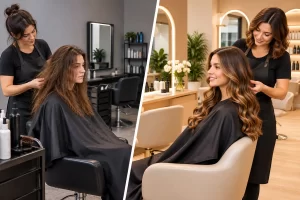
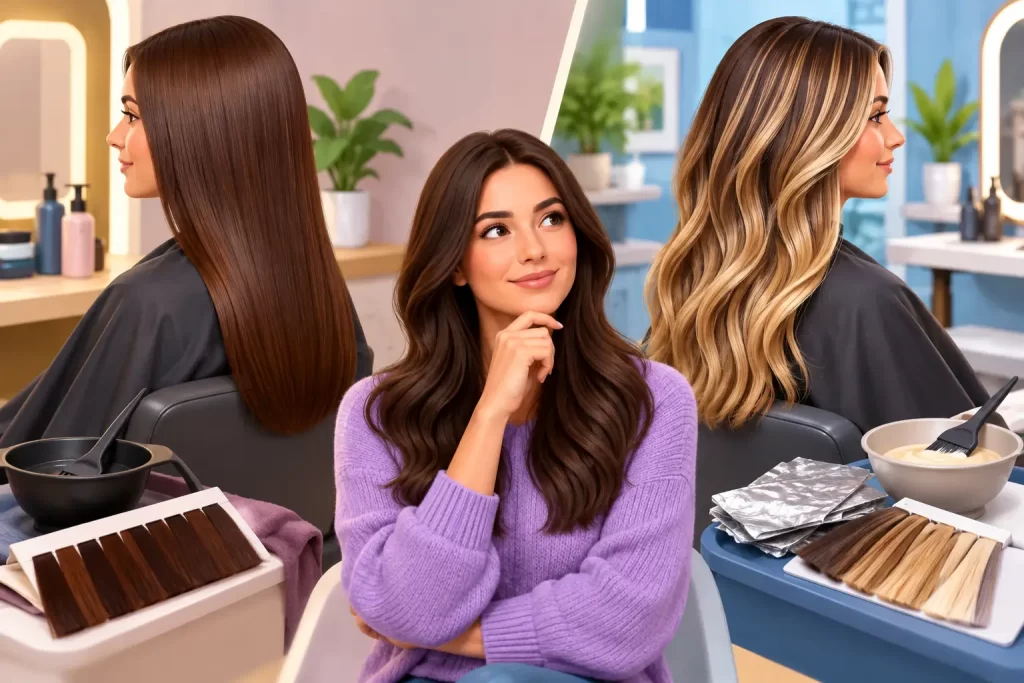
That inspiration photo may show rich, multidimensional color, but the service that creates it is not always obvious. When deciding between single process versus highlights, the best choice comes down to your current hair, gray coverage needs, desired maintenance, and the amount of contrast you want to see in the mirror.
A professional color consultation turns that decision into a clear plan. Rather than choosing a service from a menu based on a photo alone, your stylist can evaluate your natural level, previous color, hair condition, texture, and lifestyle. The goal is color that looks beautiful on appointment day and continues to work for you weeks later.
What Is a Single Process Color Service?
A single process service applies one formula to create a consistent color result. It is often used to cover gray hair, refresh roots, deepen an existing shade, brighten a natural base slightly, or create an all-over color change when the hair is a suitable starting point.
For many clients, a single process is the foundation of reliable color maintenance. If gray regrowth is your main concern, coloring the roots on a regular schedule can keep your color polished without dramatically changing your overall look. It can also add richness to faded brunette, red, or darker blonde tones.
“Single process” does not have to mean flat or one-dimensional. A thoughtfully selected formula can include warmth, coolness, depth, or softness that complements your skin tone and haircut. The key difference is that the color is applied as a unified result rather than placing lighter pieces throughout the hair.
A single process may be a strong fit if you prefer a more even finish, want dependable gray coverage, or like a lower-contrast look. It is also often a practical choice for clients who want to maintain their natural-looking base color between more extensive lightening services.
What Do Highlights Add?
Highlights create lighter ribbons, panels, or finely woven pieces throughout the hair. Depending on the technique and placement, they can produce anything from a subtle sun-kissed effect to a brighter, high-contrast blonde result.
Traditional foil highlights offer controlled lift and precise placement, which can be especially helpful when a client wants brightness close to the scalp or a more noticeable change. Other placement methods can create a softer, more blended grow-out. The right technique depends on the look you want, how often you prefer to visit the salon, and how your hair has been colored before.
Highlights are often chosen for dimension. They can make a brunette base appear lighter without coloring every strand, give blondes more brightness, and add movement around the face and through the ends. When the hair is styled, those lighter sections catch the light differently than the base color, creating the depth many clients notice in their saved inspiration photos.
Because highlighting involves lifting pigment, hair history matters. Previously colored hair may lift differently from untouched hair, and darker bases may reveal warmth as they lighten. A skilled stylist plans for these realities rather than promising an unrealistic shade in one appointment.
Single Process Versus Highlights: The Main Differences
The most useful way to compare single process versus highlights is not to ask which service is better. Ask what you need your color to do.
Single process color is generally focused on coverage, consistency, and richness. Highlights are focused on lightness, contrast, and visible dimension. A single process can refresh a fading shade or cover gray at the root, while highlights can brighten selected sections and break up a solid-looking color.
Maintenance is another meaningful difference. Root color often follows the pace of visible regrowth, especially for clients who want consistent gray coverage. Highlight timing can vary more widely depending on placement, contrast, and personal preference. Fine, blended highlights may grow out softly, while bright, closely placed highlights can require more frequent refinement.
Time in the salon and pricing can differ as well. Highlight appointments may require more time because placement, processing, rinsing, toning, and finishing services are individualized. Hair length, thickness, desired brightness, existing color, and correction needs all affect the final service plan. A consultation provides the most accurate expectation for both timing and investment.
Can You Have Both?
Absolutely. Many of the most natural-looking color results combine a root color service with highlights. The root color handles gray coverage or refreshes the base, while highlights introduce brightness and movement through the lengths.
This combination can be especially helpful for clients who love dimensional color but do not want gray strands left untouched at the scalp. It may also suit someone whose natural base has become darker over time but who still wants a lighter look around the face and through the ends.
The balance matters. Too much lightness can make the hair feel disconnected from the base, while too much solid color can hide the movement you were hoping to see. Your stylist can adjust the placement, brightness, and tone so the result feels intentional and wearable.
When a Single Process May Be the Better Choice
Choose a single process conversation when your priority is gray coverage, an even color result, or restoring depth to hair that has faded in the Florida sun. It can also be the right starting point if you are returning to a darker shade or want to simplify a high-maintenance color routine.
If your hair has been through significant lightening, a richer all-over direction may help create a healthier-looking finish. That does not mean you can never add brightness again. It simply means the next step should respect the current condition of your hair and your long-term color goals.
When Highlights May Be the Better Choice
Highlights are worth discussing if your color feels too dark, too solid, or lacking in movement. They can be customized for a subtle lift or a more visible transformation, making them a flexible option for clients who want to brighten without committing to an all-over blonde result.
They are also a good option if you like seeing lighter pieces near your face, want a more dimensional style for curls or layers, or prefer a grow-out that is less defined than a solid root line. Still, highlights are not automatically low maintenance. The brighter and more blended you want to be, the more intentional your maintenance plan needs to be.
Bring Your Hair History to the Consultation
A successful color appointment starts with honest details. Tell your stylist about at-home color, recent salon services, toners, henna, smoothing treatments, medications that may affect hair, and any changes in your hair’s texture or shedding. These details are not minor. They help your stylist select an approach that protects the integrity of your hair.
Photos are helpful too, especially when they show what you like and what you do not like. Try to bring a few examples rather than one heavily filtered image. A photo can communicate your preference for warmth, brightness, contrast, or softness, but your stylist will translate that inspiration to work with your own hair type and starting point.
At Visions Hair Studio, the consultation is also the time to discuss the maintenance schedule that feels realistic for you. Great color should support your routine, not create pressure to book services more often than you want or can manage.
Protecting Your Color Between Appointments
Whether you choose a single process, highlights, or a combination of both, at-home care shapes how long your color stays fresh. Use products selected for your hair’s needs, limit excessive heat, and apply heat protection before styling. If you spend time in the pool or outdoors, protect your hair from prolonged sun exposure and rinse it after swimming when possible.
Blonde and highlighted hair may benefit from occasional toning support when unwanted warmth appears, but purple or blue products should be used with guidance. Overuse can leave some hair looking dull, dry, or overly cool. Rich brunette, red, and gray-coverage formulas also benefit from color-safe care that helps reduce premature fading.
The right service is the one that gives you confidence when you leave the salon and still feels manageable in your real life. Start with the look you want, be open about your hair history and upkeep preferences, and let a personalized consultation guide the color plan from there.