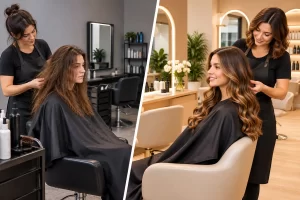
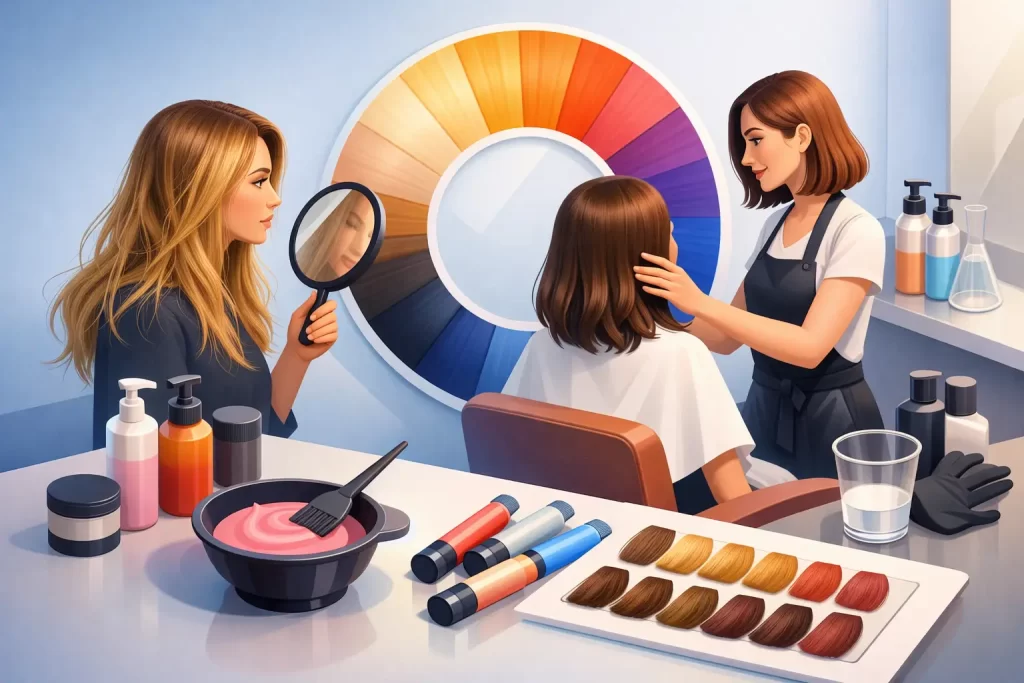
A fresh color can make hair feel like you again, especially when faded highlights, grown-out roots, or unwanted brassiness are staring back from the mirror. But can you color damaged hair safely? Sometimes, yes. The right answer depends on what kind of damage is present, what color service you want, and whether your hair has enough strength to handle it.
The goal is not simply to get color on the hair. It is to create a beautiful result without turning manageable dryness into breakage. That is why a thoughtful consultation matters more than a quick yes or no.
Can You Color Damaged Hair Safely? Start With an Honest Assessment
Not all damaged hair looks or behaves the same. Dryness from frequent heat styling is very different from hair that has been repeatedly lightened, overprocessed, or weakened by chemical services. A professional stylist looks beyond the surface shine to assess the hair’s elasticity, porosity, density, previous color history, and condition from roots to ends.
Hair that feels rough but remains flexible may be able to tolerate a carefully selected color service. Hair that stretches excessively when wet, feels gummy, snaps easily, or has visible breakage needs a more cautious plan. In those cases, additional lightening may be postponed while the focus shifts to strengthening treatments, strategic trims, and a manageable home-care routine.
Your color history is just as relevant as your current shade. Box color, bleach, smoothing treatments, permanent color, and even a recent pool or beach vacation can affect how the hair responds. Being completely open during a consultation helps your stylist make safer decisions and avoid surprises.
The Service You Choose Makes a Difference
“Coloring your hair” covers a wide range of services. Some are much gentler than others, and the safest option may not be the dramatic transformation you originally imagined.
Deposit-only color, glosses, toners, and demi-permanent formulas can often be appropriate for hair with mild to moderate damage. These services can refresh faded color, blend early gray, add richness, soften unwanted warmth, and improve the look of shine without the same level of lift required for major lightening.
Lightening is where more care is needed. Going significantly lighter usually requires bleach or high-lift color, which can further compromise already fragile hair. A skilled stylist may suggest a gradual approach, such as adding lowlights, refining the tone, or using carefully placed highlights instead of lightening every strand. This can create dimension and movement while preserving more of the hair’s integrity.
Permanent root color may also be an option when the mids and ends are protected from unnecessary overlap. Applying permanent color over previously colored, porous ends again and again is a common reason hair becomes dull, dry, and prone to splitting. Precise application is part of protecting the hair.
When Waiting Is the Safest Choice
There are times when delaying a color service is the most beautiful long-term decision. If your hair is breaking around the crown, shedding short pieces, tangling severely, or feeling weak when wet, more chemical processing may not be worth the risk.
Waiting does not mean doing nothing. A stylist can help you maintain a polished look with a conditioning gloss, a toner if appropriate, a haircut that removes fragile ends, or styling adjustments that make the hair appear fuller and healthier. In some cases, a temporary root product or a change in part can help you get through the grow-out period comfortably.
This is especially true if you are trying to correct a color problem. Trying to fix overly dark box dye, uneven bleach, or brassy bands in one long appointment can push damaged hair too far. A phased correction plan may take more time, but it gives the hair recovery periods between services and usually produces a more even, lasting result.
Why a Strand Test Is Worth the Time
A strand test is one of the best ways to reduce guesswork when hair has a complicated history or obvious damage. Your stylist applies the planned formula to a small, discreet section of hair and observes both the color result and the hair’s condition.
The test can reveal whether the hair lifts unevenly, grabs too dark, turns overly warm, or loses strength during processing. It can also confirm whether a gentler formula, lower developer, shorter processing time, or a different service altogether is the smarter route.
This step is particularly useful for clients who have colored their own hair, are returning to color after a long break, or have had services done at multiple salons. It may feel like an extra precaution, but it is a sign that your stylist is prioritizing your hair over a rushed outcome.
How to Prepare Damaged Hair for a Color Appointment
The days before your appointment are not the time for a last-minute DIY repair experiment. Avoid at-home bleaching, color removers, harsh clarifying treatments, or aggressive scrubbing. These can alter the hair’s condition and make professional color less predictable.
Instead, use gentle cleansing and conditioning products suited to your hair type. A moisturizing mask can help dry hair feel softer, while bond-supporting or protein-focused care may be recommended when the hair feels weak. The balance matters: too much protein can make some hair feel stiff, while moisture alone cannot repair every form of chemical damage.
Come to the appointment ready to discuss your real routine. Let your stylist know how often you use hot tools, whether you swim regularly, which products you use, and what chemical services you have had within the past year. Bring photos of your goal color, but also be open to a version of that look that better suits your current hair condition.
Protect Your Color and Your Hair Afterward
A careful salon service is only part of the plan. The way you treat colored, damaged hair at home determines how well it retains both strength and tone.
Wash with lukewarm water rather than very hot water, and use a shampoo formulated for color-treated hair. Condition every time you wash, concentrating on the mids and ends. If your stylist recommends a treatment schedule, follow it consistently instead of using several intense treatments all at once.
Heat protection is nonnegotiable if you blow-dry, curl, or straighten your hair. Keep tools at the lowest effective temperature, and give your hair heat-free days when possible. A small trim every so often can also prevent split ends from traveling farther up the strand.
Sun, chlorine, and saltwater can be hard on already compromised hair. Wearing a hat, wetting hair with clean water before swimming, and rinsing promptly afterward are simple habits that help preserve your color and reduce dryness.
Questions to Ask During Your Consultation
A good consultation should leave you clear on what is realistic now and what may need to wait. Ask whether your desired result requires lightening, whether the stylist sees signs of overprocessing, and what service offers the best balance of color change and hair health.
It is also reasonable to ask about maintenance. A low-maintenance color plan can be especially helpful while damaged hair recovers because it reduces the need for frequent chemical appointments. Soft root blends, dimensional color, and tonal refreshes may allow you to enjoy a polished look with fewer high-impact services.
At Visions Hair Studio, consultations are designed around your individual hair, not a standard formula. That means discussing your goals honestly, setting expectations clearly, and choosing a plan that supports both your current look and the health of your hair over time.
Damaged hair does not automatically mean you have to give up color. It means the healthiest path may be softer, slower, and more customized than the photo you saved. With an experienced stylist, realistic expectations, and consistent care between appointments, you can move toward the color you want while giving your hair the respect it needs.