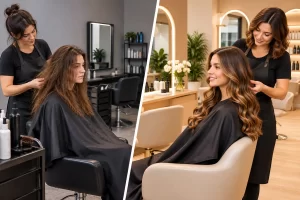
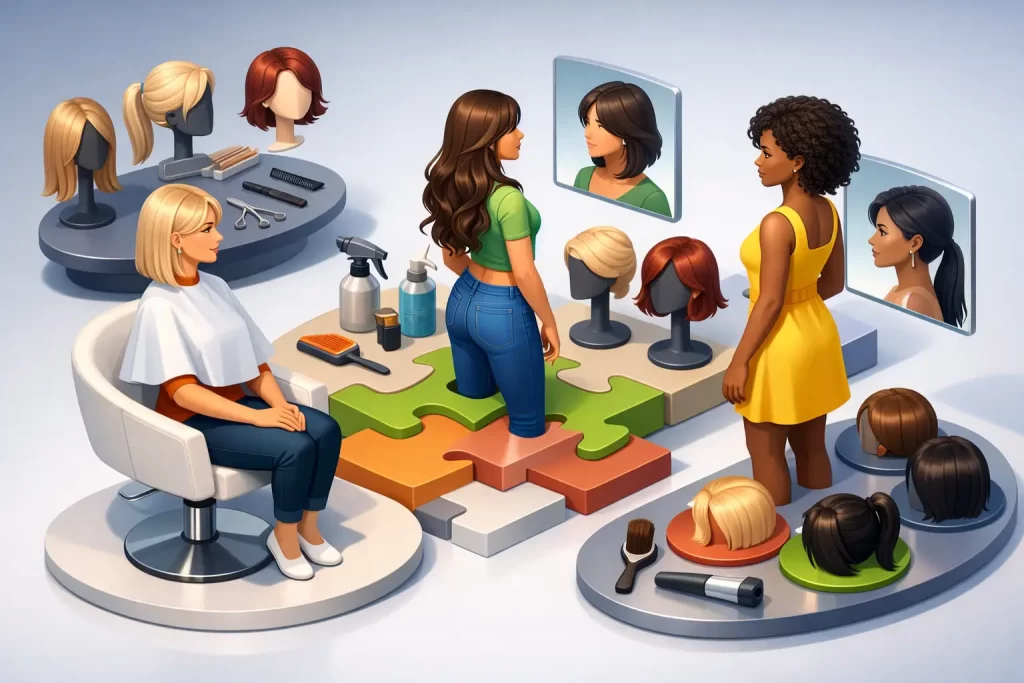
A haircut can look beautiful in a photo and still be completely wrong for the person sitting in the chair. So, are haircuts customizable? Absolutely. The best professional cut is not chosen from a menu of fixed options. It is shaped around your hair, your features, your routine, and how you want to feel when you leave the salon.
A personalized haircut is about more than asking for layers, bangs, or a certain length. It starts with a stylist listening closely, assessing the hair in front of them, and making thoughtful choices that support a result you can actually wear between appointments. That consultation is where a good haircut becomes your haircut.
Are Haircuts Customizable for Every Hair Type?
Yes, but customization does not mean every style works the same way on every head of hair. A strong haircut respects the natural behavior of the hair rather than fighting it.
Fine hair may need a shape that creates the appearance of fullness without removing too much density. Thick hair often benefits from intentional weight removal and internal shaping, but over-thinning can leave ends looking weak or create unwanted frizz. Curly and wavy hair require careful attention to curl pattern, shrinkage, and how the hair falls when it is dry. Straight hair can reveal every line and imbalance, so precision matters even more.
Texture also affects the maintenance a cut will require. A heavily layered shape may give movement to some hair types, while on others it may demand more styling than a client wants to do each morning. The goal is not simply to create a flattering shape in the salon. It is to create one that continues to work in your real life.
A Custom Haircut Begins With a Real Consultation
The consultation should feel like a conversation, not a quick exchange of style terms. Your stylist may ask what you like about your current haircut, what frustrates you, how often you wear your hair up, and how much time you spend styling it. These answers matter as much as a reference photo.
A photo is useful because it gives a stylist a sense of your preferred mood, length, and finish. Still, it is a starting point, not a promise of an identical result. The person in the photo may have a different density, curl pattern, hairline, face shape, or styling routine. An experienced stylist translates the parts you love into a version that suits you.
Be clear about your non-negotiables. If you do not want to lose length, say so. If you need a cut that can be air-dried most days, mention that early. If you regularly wear a ponytail for work, exercise, or family life, it should influence the shape of your cut. Honest details help prevent the common disappointment of receiving a stylish haircut that does not fit your day-to-day routine.
Your Face Shape Is One Consideration, Not a Rulebook
Face shape can guide a haircut, but it should never limit your options. A stylist may use soft face-framing, fringe placement, volume, or length to bring balance to your overall look. For example, a fringe can draw attention to the eyes, while longer layers may create softness around the jawline.
But your features, personal style, and confidence matter more than a rigid set of face-shape rules. Someone with an oval face is not required to wear every trend, and someone with a round face is not restricted to long hair. Customization means using professional guidance to refine a look you genuinely want.
Hair Density and Growth Patterns Change the Plan
Two people can request the same bob and receive very different cutting plans. Density determines how much hair is available to create shape and movement. Growth patterns, such as cowlicks at the crown or a strong parting near the hairline, affect how bangs and layers will sit.
A customized haircut accounts for these details before the hair is cut. A stylist may adjust a part, change the length around a cowlick, or leave more weight in a certain area to keep the hair from separating. These small choices are often what make a haircut easier to manage at home.
Lifestyle Is Part of Haircut Customization
A haircut should fit your calendar as well as your hair. If you enjoy blow-drying and using hot tools, you may be comfortable with a more polished, structured cut. If you prefer a wash-and-go routine, your stylist may recommend a softer shape that works with your natural texture.
Maintenance expectations deserve an honest conversation. A sharp pixie or detailed fringe can require frequent trims to keep its intended shape. Long, blended layers typically offer more flexibility between appointments. Neither choice is better. The right choice depends on how often you want to visit the salon and how much upkeep feels worthwhile to you.
Color services also affect haircut decisions. Strategic layers can show off dimension in highlighted hair, while a cleaner perimeter may make a rich all-over color look especially healthy. When cut and color are planned together, the finished style tends to feel more intentional.
What Can Be Customized in a Haircut?
Nearly every element can be adjusted. Length is only one part of the equation. Your stylist can personalize the perimeter, layering, face-framing, fringe, weight distribution, part placement, and the amount of texture built into the cut.
For someone who wants long hair without a heavy appearance, subtle long layers may create movement while preserving fullness at the ends. For someone with a short style, a stylist may tailor the neckline, sideburns, and crown to complement the hairline and desired finish. A bob can be blunt, softly textured, slightly angled, or shaped to tuck behind the ears with ease.
The same is true for bangs. Curtain bangs, side-swept fringe, and full bangs are not interchangeable. Their length, width, density, and placement should be based on how your hair grows and how much styling you are willing to do. A well-designed fringe should look intentional on an ordinary morning, not only after a salon blowout.
The Trade-Off Between Trend and Wearability
Trends can provide great inspiration, especially when they introduce fresh ideas about shape, texture, and styling. But a trend should be adapted, not copied without consideration.
A dramatic shag may look effortless online, yet it can require regular styling for certain hair textures. A blunt, one-length cut can look striking, but it may feel too heavy on very thick hair unless the internal shape is adjusted. Very short cuts can be liberating, though they often need more frequent maintenance than long hair.
This does not mean avoiding a look you love. It means understanding what it asks of your hair and routine. A skilled stylist can often create a version that captures the same feeling while making better sense for your texture, density, and maintenance preferences.
How to Prepare for a Personalized Haircut Appointment
Come with a few images that show what you like, but also be ready to explain why you like them. Is it the softness around the face? The fullness at the crown? The easy, lived-in finish? Those details give your stylist more useful direction than a single photo alone.
It also helps to arrive with your usual styling habits in mind. Share whether you use heat tools, wear extensions, color your hair, swim frequently, or need your hair to stay secure during workouts. If you have had a haircut you disliked, describe what did not work. Perhaps it felt too layered, too short around the face, hard to style, or bulky at the ends. That feedback is valuable.
At Visions Hair Studio, a thoughtful consultation creates room for these details before the service begins. It is a simple step that helps your stylist recommend a cut with greater confidence and helps you feel comfortable with the plan.
A Great Cut Should Keep Working After You Leave
The true test of a customized haircut is what happens after your first shampoo. It should grow out gracefully, suit your usual styling routine, and still feel like you when you catch your reflection during an ordinary week.
Before you leave your appointment, ask how to style the cut at home and when to schedule your next trim. Your stylist can show you where to place a brush, how to encourage your natural texture, or which areas need a little extra attention. Those few minutes of guidance can make a meaningful difference.
Your hair will change with seasons, color services, stress, hormones, and shifting personal style. Let your haircut change with it. Bring your preferences to the chair, trust the professional assessment, and choose a shape that supports the way you want to live every day.