A great haircut usually looks effortless. What most people do not see is how much thought goes into making it feel that way. A custom haircut for face shape is not about forcing your features into a trend. It is about choosing length, balance, movement, and structure that work with your face, your hair texture, and the amount of styling you actually want to do.
That distinction matters. Two people can bring in the same reference photo and leave needing very different versions of that cut. A style that flatters one face shape may feel too heavy, too short, or too wide on someone else. The best haircut is rarely copied exactly. It is adjusted with intention.
What a custom haircut for face shape really means
Face shape is one part of the conversation, not the whole conversation. A skilled stylist looks at the forehead, cheekbones, jawline, and chin, but also at density, texture, growth patterns, and how the hair naturally falls. If your hair has strong cowlicks, a short fringe may behave very differently than it does in a photo. If your hair is thick and expands with humidity, the shape of a bob needs to be built with that in mind.
This is why consultation matters so much. A custom cut should account for your daily routine, whether you wear your hair up often, how frequently you come in for trims, and whether you want polished styling or wash-and-go ease. Face shape helps guide the framework, but the final design should fit your life.
Start with balance, not rules
There are classic guidelines for matching a haircut to a face shape, and they can be useful. But they are still guidelines. The goal is usually to create visual balance, not to hide your features.
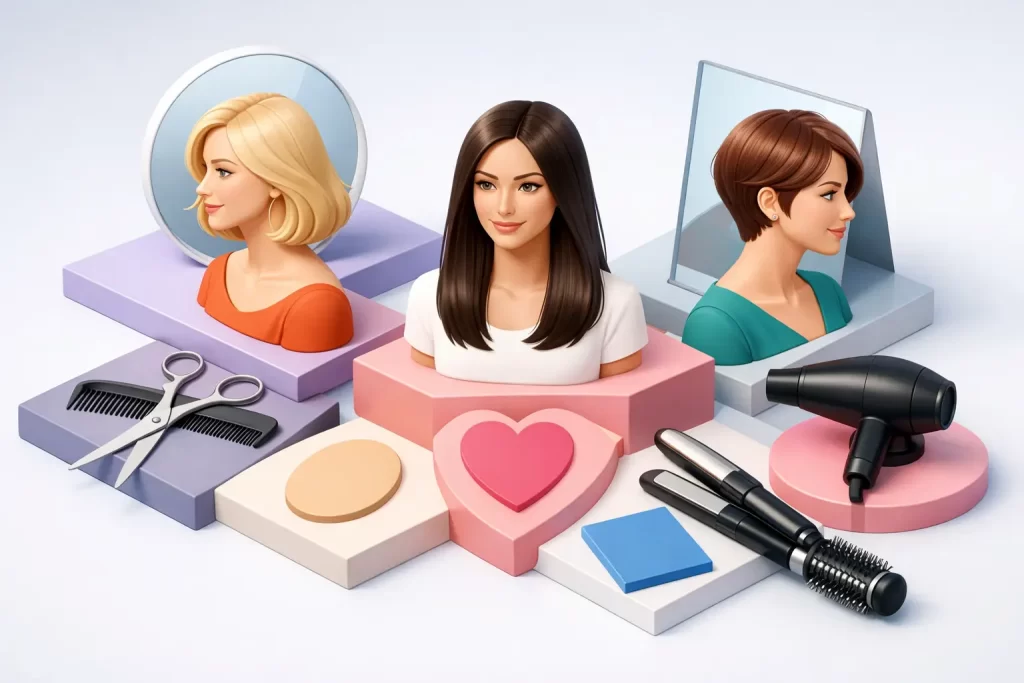
If you have an oval face, you often have the most flexibility. Short pixies, soft lobs, long layers, curtain bangs, and structured bobs can all work well. The trade-off is that with so many options, the wrong detail can throw things off. Too much height at the crown can make the face look longer, while overly long, flat hair can make the style feel unfinished.
If your face is round, many flattering cuts create length or vertical movement. A collarbone-length cut, long layers, or a side part can help elongate the look of the face. That does not mean you must avoid bobs or bangs. It means the proportions matter. A chin-length bob with width at the cheeks may feel broader, while a slightly longer bob with soft texture often feels more balanced.
If your face is square, softer edges often complement the jawline beautifully. Movement around the face, textured ends, and longer layers can create contrast in a flattering way. But a blunt cut is not automatically off limits. In fact, some square faces look striking with a sharp bob. The difference is whether the haircut is built to feel intentional rather than severe.
If your face is heart-shaped, the forehead tends to be wider and the chin narrower. Cuts that add softness around the jawline can be especially flattering. This might mean a lob, chin-length texture, or curtain bangs that break up width at the forehead. Very short, tight layering at the crown can sometimes make the upper face feel more dominant, though it depends on your hair and styling.
If your face is long or rectangular, many cuts aim to avoid adding too much extra length. Mid-length styles, waves, bangs, and width through the sides can all help. Sleek, very long hair with no layering can sometimes pull the eye downward too much. On the other hand, if you love long hair, face-framing layers or a fuller fringe may give you the balance you want without sacrificing length.
The haircut still has to work with your hair
A face-flattering idea only works if your hair can support it. This is where many disappointing cuts begin. Someone loves the idea of a blunt bob, but their hair is highly textured and expands quickly. Someone asks for soft curtain bangs, but their hairline separates naturally at the front. The concept may be good. The execution needs adjustment.
Fine hair often benefits from shapes that preserve fullness. Too many layers can make it look thinner, especially around the ends. A stronger perimeter with subtle interior movement usually gives a healthier, more polished result.
Thick hair often needs weight removal in the right places, but not everywhere. When thick hair is over-layered, it can become bulky or frizzy instead of light. Strategic shaping keeps the haircut controlled while still letting it move.
Curly and wavy hair add another layer of customization. Shrinkage changes perceived length. Curl pattern affects volume and silhouette. A custom haircut for face shape on curly hair is less about strict geometry and more about where the fullness sits around the face. A stylist has to account for how the curls live day to day, not just when freshly styled.
Bangs, layers, and length make the biggest difference
Small choices can change the entire feel of a haircut. Bangs are one of the clearest examples. Curtain bangs can soften a forehead, open up the cheekbones, and blend easily into layers. Full bangs can shorten the appearance of a longer face and create a strong focal point. Wispy bangs feel lighter and lower commitment, but they still need to work with your growth pattern.
Layers matter just as much. Face-framing layers can emphasize cheekbones, soften a jawline, or make a long style feel more dynamic. Short layers at the crown create lift, but on some face shapes they can add unwanted height. Longer layers feel smoother and more subtle, especially for clients who want movement without dramatic volume.
Length is often the decision people focus on first, but placement is what really changes the look. A cut that ends right at the jaw can highlight it strongly. A cut that falls just below the collarbone can lengthen the neck and feel more versatile. Even moving the hemline by an inch or two can shift the balance of the face.
Why photos help, but only up to a point
Reference photos are helpful because they show what you are drawn to. Maybe it is not the exact haircut you love, but the softness around the face, the fullness at the ends, or the clean shape through the back. That gives your stylist something real to interpret.
What photos cannot show is how your own hair will behave. Lighting, styling tools, extensions, product, and editing all affect what you see online. A good consultation bridges that gap. Instead of promising a copy, your stylist should explain what elements can translate well and what should be modified.
That honesty is valuable. It protects you from chasing a haircut that looks great for a photo but does not suit your routine or texture. A trustworthy salon experience is not about saying yes to everything. It is about guiding you toward the version that will actually wear well.
When your lifestyle should decide the haircut
There is no benefit to choosing a haircut that only looks good after 40 minutes of styling if you know you will not do that. A custom cut should respect how you live. If you work out often, wear your hair up, or need something polished with minimal effort, those details should shape the design.
For some clients, that means keeping enough length to pull it back comfortably. For others, it means choosing a sharper short cut that air-dries neatly and keeps its shape between appointments. Maintenance is part of the decision too. A fringe may look beautiful, but it usually needs more frequent upkeep. A lived-in layered cut often grows out more softly.
This is one reason many clients prefer an ongoing relationship with a salon they trust. The better your stylist knows your hair, the more precise the adjustments become over time. That is often how good haircuts turn into great ones.
How to know you got the right cut
The right haircut does not just look good when you leave the salon. It still feels like you a week later. It works with your texture, gives you options, and grows out in a way that still feels intentional.
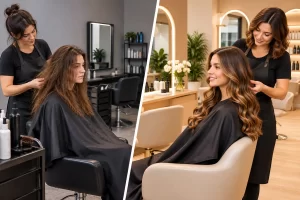
At a consultation-driven salon like Visions Hair Studio, that process starts with listening. Your face shape matters, but so do your preferences, habits, and comfort level. The goal is not to fit you into a formula. It is to create shape that feels polished, personal, and realistic for your everyday life.
If you have been saving haircut photos and still feel unsure, that usually means you do not need more inspiration. You need a more personalized plan. A thoughtful cut can soften, sharpen, open up, or balance your features, but the best result is simpler than that. It should make getting ready feel easier and make you feel more like yourself.