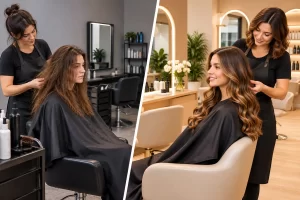

A bad haircut grows out. A bad color appointment can take months to correct. That is why knowing how to choose a hairstylist matters more than most people realize. You are not just booking a service. You are choosing someone who will shape how your hair looks, how manageable it feels, and how confident you are when you leave the salon.
The right stylist is not always the one with the biggest social following or the trendiest photos. For most clients, the better choice is the professional who listens well, explains clearly, works with care, and can deliver consistent results based on your hair type, lifestyle, and goals. If you are looking for a long-term salon relationship instead of a one-time appointment, a little extra attention at the start can save you frustration later.
How to choose a hairstylist starts with your needs
Before you compare salons or scroll through portfolios, get specific about what you want. Some clients need gray coverage and a cut that is easy to maintain. Others want dimensional blonding, curl support, extensions, or help recovering from damage. Those are very different needs, and not every stylist specializes in every service.
It also helps to think honestly about your routine. If you want a look that only works with daily heat styling, but you prefer wash-and-go hair, the style is probably not the right match. A strong stylist will take your maintenance preferences seriously. They should guide you toward results that fit your real life, not just what looks good in the chair for ten minutes.
When you know your priorities, you can ask better questions. Instead of saying, “I need someone good,” you can ask whether a stylist has experience with balayage, pixie cuts, thick hair, fine hair, curl patterns, or corrective color. That makes your search much more useful.
Look for consultation skills, not just pretty photos
Photos matter, but consultation matters more. A portfolio can show technical ability, yet it cannot tell you how well a stylist listens, explains limitations, or builds a plan around your hair.
A good consultation should feel calm and detailed. The stylist should ask about your hair history, including past color, chemical services, at-home products, and how often you style your hair. They should also ask what you like and dislike about your current look. If they are not curious about any of that, they may be treating your appointment like a formula instead of a personalized service.
This is also the moment when honesty counts. If your inspiration photo is not realistic for your hair in one visit, the right stylist will say so. That is not a red flag. It is usually a sign of professionalism. Clear expectations protect your hair and your time.
What a strong consultation usually includes
You should expect discussion around your goals, maintenance level, timing, budget, and hair condition. In many cases, especially with color or corrective work, pricing may depend on factors like hair thickness, length, density, and complexity. That is not a sign of vague pricing. It often reflects a salon that is trying to quote services more accurately instead of forcing every client into the same category.
A thoughtful consultation should leave you feeling informed, not pressured. If you leave confused about the process, upkeep, or price range, keep looking.
Experience matters, but the right experience matters more
A stylist can have years in the industry and still not be the best fit for your service. What matters is relevant experience combined with continued education. Hair trends, color techniques, product technology, and cutting methods change over time. Stylists who invest in training tend to bring more precision and better problem-solving to their work.
If you are considering a new salon, pay attention to whether they emphasize ongoing education and skill development. That usually signals pride in the craft, not complacency. It also benefits clients directly. A stylist who keeps learning is more likely to understand modern techniques, updated safety practices, and current finishing styles that do not feel dated.
There is also value in asking how often a stylist performs the service you want. Someone may be licensed and capable, but if they only occasionally do vivid color, razor cuts, or textured hair services, they may not be your strongest option for that appointment.
Pay attention to cleanliness and professionalism
When people think about how to choose a hairstylist, they often focus on appearance and price first. Those matter, but the salon environment matters too. Clean tools, organized stations, and visible health and safety standards say a lot about how a business operates.
A professional salon should feel well-managed. Capes, brushes, bowls, and work areas should look clean. The front desk process should feel respectful and clear. Staff should be courteous and attentive. None of this is separate from the hair service. It is part of the trust clients place in a salon every time they sit down.
Professionalism also shows up in punctuality, communication, and follow-through. If a salon is difficult to reach, dismissive with questions, or unclear about appointment timing and policies before you even book, that experience may continue once you become a client.
Reviews can help, if you read them carefully
Reviews are useful when you read beyond star ratings. Look for patterns in what people say. If multiple clients mention that a stylist listens, explains options, keeps the salon clean, and delivers consistent results, that is meaningful. If several reviews mention rushed appointments, poor communication, or results that did not match expectations, that matters too.
Try not to base your decision on one glowing review or one harsh one. The more helpful clues are repeated themes over time. Testimonials that mention long-term loyalty are especially valuable because they suggest trust, consistency, and a positive client experience across multiple visits.
If you are local to Wellington or nearby, personal recommendations can be even more helpful than online browsing. Friends, neighbors, and coworkers with hair you genuinely admire can tell you what the appointment experience is actually like, not just how the final photo looked.
Price should make sense for the service
Everyone has a budget, and price should be part of the decision. But choosing only by the cheapest option often leads to disappointment, especially with color, major changes, or corrective work. Hair services involve time, technique, product usage, and judgment. More complex hair usually requires more of all four.
That does not mean the most expensive stylist is automatically the best. It means pricing should feel transparent and appropriate for the level of care, customization, and expertise involved. If a salon explains that final pricing varies by hair thickness, length, or service complexity, that can be a sign they are accounting for the real work required rather than guessing.
The smartest approach is to ask what is included, what maintenance will cost, and how often you will likely need to come in. A lower first visit can become expensive if the result is hard to maintain or needs correction.
Notice how the stylist makes you feel
Skill is essential, but comfort matters too. Hair appointments are personal. You should feel heard, respected, and comfortable asking questions. If a stylist interrupts, brushes off concerns, or pushes you toward services you did not request, that relationship may not improve with time.
The best stylist-client relationships are collaborative. Your stylist brings professional knowledge. You bring your preferences, routine, and comfort level. When those two things work together, results tend to be better and easier to maintain.
This is especially important if you are making a big change. Going shorter, lighter, or bolder requires trust. You want a stylist who can guide you confidently without making you feel rushed.
How to choose a hairstylist for the long term
If your goal is consistency, think beyond the first appointment. Ask yourself whether this person feels like someone you can return to every six to eight weeks or every few months. Great hair often comes from a relationship built over time. The stylist learns your hair, your preferences, your growth patterns, and what tends to work best between visits.
That long-term fit is often what separates an average salon experience from a truly satisfying one. A great stylist does not just provide a good service once. They help you maintain healthy, beautiful hair through changing seasons, schedules, and style goals.
If you are still deciding, start with a consultation or a smaller service before committing to a major transformation. That gives you a chance to evaluate communication, professionalism, and overall comfort without too much risk.
Choosing a hairstylist should feel thoughtful, not stressful. When you find someone who listens carefully, works with skill, respects your time, and treats your hair as individual, you are much more likely to leave the salon feeling like yourself at your best.