A few inches can make a major difference when you are trying to protect your length, refresh your shape, or make a real change. The question of a trim versus haircut appointment is less about whether scissors are involved and more about the result you want to see when you leave the salon. A clear conversation with your stylist helps ensure the service, timing, and plan all fit your hair goals.
What Is the Difference Between a Trim and a Haircut Appointment?
A trim is generally a maintenance service. Its purpose is to remove split, dry, or uneven ends while preserving the overall length, shape, and style you already have. If you love your current haircut but your ends feel rough, look thin, or tangle more than usual, a trim may be exactly what your hair needs.
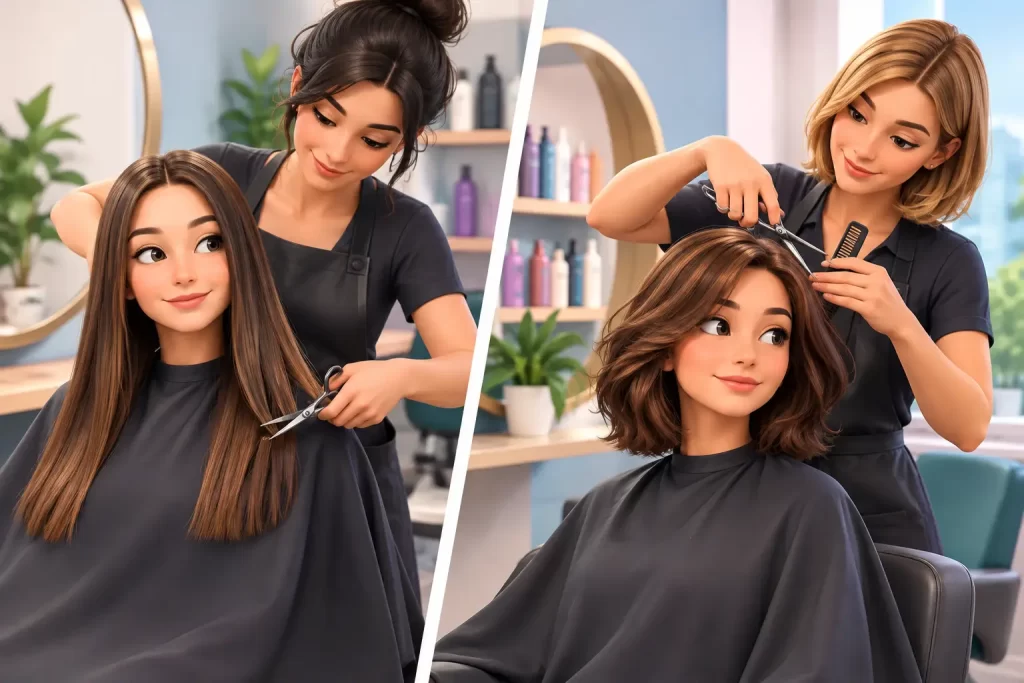
A haircut appointment usually involves more intentional reshaping. You may be adding layers, changing your length, creating or adjusting face-framing pieces, removing weight, refining a bob, restoring a growing-out style, or moving toward an entirely new look. A haircut can still be subtle, but it is typically planned around the structure and movement of your hair rather than just its ends.
The terms are sometimes used differently from salon to salon, which is why the consultation matters. One guest may call removing two inches a trim, while another may feel that anything beyond a light dusting is a haircut. Your stylist should focus on your expectations, hair condition, and desired outcome instead of relying on one label alone.
When a Trim Is the Right Choice
Choose a trim when you are happy with the way your hair falls, but it no longer looks or feels as polished as it did after your last service. Ends that appear see-through, frayed, stiff, or uneven can make even a beautiful cut look tired. Removing that worn portion can make your hair feel fuller and easier to style without changing the look you have grown to love.
A trim is also useful for maintaining long hair. Long lengths can be especially prone to damage from heat styling, brushing, sun exposure, coloring, and everyday friction from clothing or pillowcases. Regular, thoughtful maintenance can prevent splits from traveling farther up the hair shaft, where more length may need to be removed later.
If you have a blunt bob, a pixie, bangs, or a precision shape, your maintenance schedule may be more frequent. These styles depend on clean lines, so even modest growth can affect the finished look. In that case, a trim may be small in length but significant in visual impact.
When You Should Book a Haircut Appointment
Book a haircut appointment when you want your style to behave differently. Perhaps your layers have grown out and lost their movement, your curls are sitting too heavily at the bottom, or your fine hair needs a shape that creates the appearance of more volume. These are design concerns, not simply end-trimming concerns.
A full haircut is also a smart choice after a major change in your hair routine or texture. If you are wearing your natural curls more often, transitioning away from frequent heat styling, or managing changes related to color processing, the right cut can make daily styling more manageable. The goal is not just to remove length. It is to create a shape that works with the hair you have now.
Guests often hesitate to book a haircut because they worry about losing too much length. That concern is understandable. A professional haircut does not have to mean a dramatic transformation. You can ask for a small length adjustment along with refreshed layers, softer framing, or a more balanced shape. Clear communication helps your stylist tailor the service to your comfort level.
Bring Your Goal Into the Consultation
The most helpful thing you can say is not always, “Just a trim.” Instead, describe what is working and what is not. For example: “I want to keep my length, but my ends feel thin,” or “My hair looks flat around my face,” or “I need it to be easier to wear when I air-dry.” Those details give your stylist a stronger starting point.
Photos can be helpful too, especially when you are considering a larger change. Bring images that show what you like, but be open to your stylist’s guidance on what will translate best for your density, texture, growth pattern, and maintenance preferences. The same cut can look very different on straight, wavy, curly, fine, or thick hair.
Your Hair Condition Can Change the Recommendation
The right service is not based on length alone. Hair that has been lightened, frequently heat-styled, or exposed to chlorine and sun may need more attention at the ends, even if you are trying to grow it. A trim can improve the appearance of damage, but it cannot permanently repair split ends. Once a split occurs, removing it is the most reliable way to stop it from worsening.
On the other hand, healthy hair does not need to be cut on an arbitrary schedule just because a calendar says so. Some guests need maintenance every six to eight weeks, particularly with short styles or bangs. Others with longer, lower-maintenance hair may go longer between services. Your ideal timing depends on your style, at-home routine, color history, and how quickly you notice your shape losing definition.
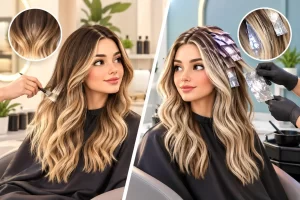
For color-treated hair, a haircut appointment can be especially valuable when color placement and shape should complement one another. Face-framing highlights, dimensional blonding, and rich all-over color often look their best when the haircut supports the finished style. A stylist can help coordinate both services so the result feels intentional from root to end.
Trim Versus Haircut Appointment: What to Ask When Booking
If you are unsure which option to select, do not let the booking label keep you from making the appointment. Let the salon know that you want to maintain your length, refresh your current cut, or discuss a possible style change. A consultation at the beginning of the visit can clarify the appropriate service before your stylist begins.
It also helps to be honest about your hair history. Mention recent color, chemical services, extensions, a new medication that has affected shedding, or a change in how you are styling at home. These details can influence how much should be removed, which techniques are appropriate, and what maintenance plan makes sense for you.
Be specific about your boundaries as well. If you are comfortable removing only a certain amount, say so. If you are open to a reshaped cut but need it to fit into a quick morning routine, share that. Great salon service is collaborative. Your stylist brings technical training and a trained eye; you bring the preferences and lifestyle that make the final look feel like yours.
How to Keep Your Cut Looking Its Best Between Visits
A trim or haircut lasts longer when your home routine supports it. Use heat protection before blow-drying or hot tools, detangle gently from the ends upward, and choose products that suit your hair’s texture and color needs. For many guests, small habits make a noticeable difference in shine, manageability, and breakage.
Avoid judging your haircut only on the day after you leave the salon. Fresh styling can look different from your usual routine, particularly if you normally air-dry or wear your hair up. Give yourself time to see how the cut works in real life. If you have questions about styling, product use, or maintenance, ask during the appointment so you leave with practical guidance.
At Visions Hair Studio, the best appointment begins with listening. Whether you need a light cleanup or a complete reshaping, your stylist can assess your hair, discuss what is realistic, and create a plan that protects both your hair health and your confidence. Book the service that reflects your goal, then let the consultation refine the details.