
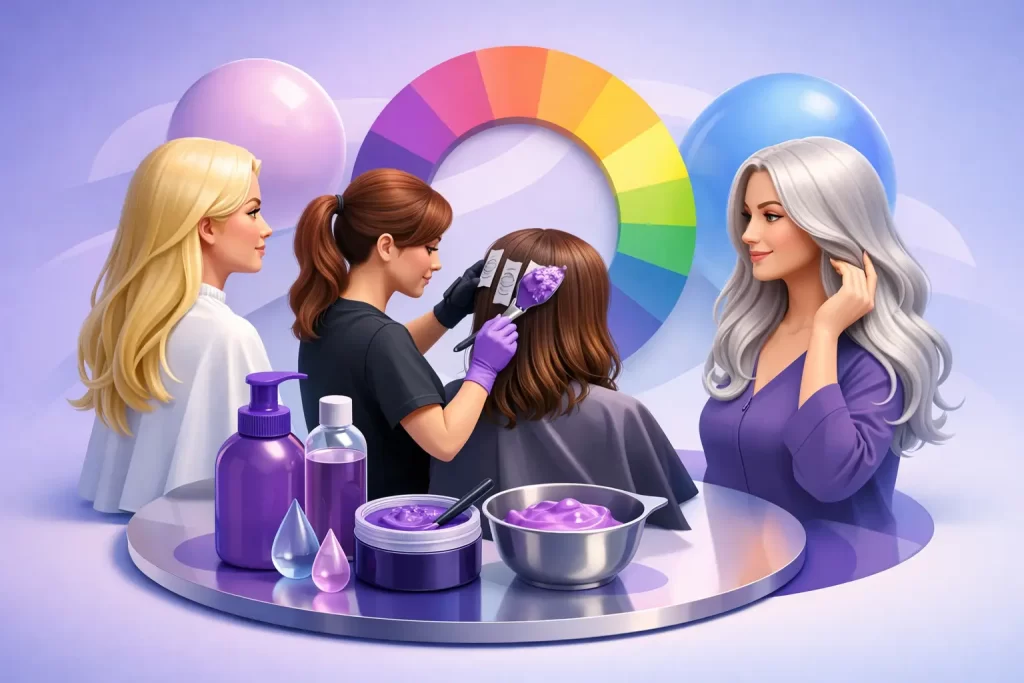
Fresh blonde can turn brassy faster than most people expect. A cool brunette can start looking warm. Red can lose its richness. That is usually the moment clients ask, how often should you tone hair? The honest answer is that it depends on your color service, your hair health, your home care, and how quickly your tone shifts between appointments.
Toning is not a one-size-fits-all schedule. It is a maintenance service that works best when it is based on what your hair is doing, not just what the calendar says. For some people, that means every few weeks. For others, it may only be needed after a color appointment or when brassiness becomes noticeable.
How often should you tone hair after coloring?
Most people benefit from toning every 4 to 8 weeks, but that range is wider than it sounds. If you have bright blonde highlights, balayage, or gray blending, your tone may shift sooner. If your hair is darker or your color runs warmer by design, you may be able to go longer.
Toner is used to refine the result after lightening or coloring. It helps neutralize unwanted warmth, enhance shine, and adjust the final tone so your color looks polished rather than unfinished. But toner fades over time, especially with washing, heat styling, sun exposure, and hard water.
A salon-quality toner is not meant to stay exactly the same forever. It is meant to guide the tone as your color settles. That is why maintenance matters.
A general timing guide
If your hair is platinum, icy blonde, silver, or heavily highlighted, every 4 to 6 weeks is common. These shades usually show yellow or gold tones sooner, so they need closer attention.
If you wear beige blonde, honey blonde, soft brunette dimension, or rich red tones, every 6 to 8 weeks may be enough. These shades tend to fade more gracefully, even when the tone softens a little.
If you are using purple or blue shampoo at home and your hair is staying balanced, you may not need an in-salon toner quite as often. That said, at-home products help maintain tone. They do not fully replace a professional gloss or toner service.
What affects how often you should tone hair?
Hair porosity is a big factor. More porous hair grabs toner quickly, but it also lets it go faster. If your hair has been lightened several times or you use hot tools often, your tone may fade sooner than expected.
Your shampoo routine matters too. Washing daily usually strips tone faster than washing two or three times a week. Clarifying shampoos, dandruff shampoos, and some drugstore formulas can also shorten the life of your toner.
Water quality can change everything. Hard water and pool exposure often push blonde hair brassy and make cooler brunettes look dull. In Florida, sun and humidity can also affect how color wears, especially if you spend a lot of time outdoors.
Then there is the shade itself. Cooler tones are less forgiving because warmth shows up faster against them. A creamy or golden blonde can still look intentional as it fades. An icy blonde can look off much sooner.
Your color history changes the answer
If your hair was toned after a full lightening service, you may need a refresh sooner than someone who only gets subtle highlights. If your stylist created a low-maintenance lived-in color, the timing may be more flexible.
That is why consultation matters. The right maintenance plan should match your hair, your goals, and how much upkeep you actually want.
Signs it is time for a toner refresh
You do not always need to wait for a scheduled date. Your hair usually tells you when the tone is slipping.
If your blonde starts looking yellow, orange, or overly warm, toner may help restore balance. If your brunette highlights suddenly look coppery, or your red has lost depth and shine, a gloss or toner service may be the right next step.
Texture can offer clues too. Sometimes hair looks flat not because the color is wrong, but because the shine has faded. A toning service often brings back that reflective finish that makes color look healthy and intentional.
If your color still looks good in indoor lighting but seems brassy in daylight, that is another common sign. Natural light tends to reveal tone changes first.
Can you tone too often?
Yes, and this is where professional guidance helps. Toning too often, especially with the wrong formula or overly strong products, can leave hair looking muddy, too dark, or uneven. This is especially true for porous blondes and previously lightened hair.
At home, it is easy to overdo purple shampoo or use a toning mask more often than your hair actually needs. When that happens, hair can take on a dull cast rather than a bright, fresh finish. People often assume more toning equals better color, but the better approach is controlled toning at the right time.
Professional toners are customized to your current shade, condition, and goal. Sometimes your hair needs neutralizing. Sometimes it needs warmth added back in. Sometimes it needs shine more than correction. Those are different services, even though clients often group them all under toning.
How often should you tone hair if you are blonde?
Blonde hair usually needs the most frequent toning because it shows underlying warmth quickly. If you are very light blonde, every 4 to 6 weeks is typical, especially if you want a cool or icy result.
But there is a trade-off. The cooler and brighter you want your blonde, the more maintenance it usually requires. If you prefer fewer salon visits, your stylist may recommend a softer neutral blonde that fades more naturally between appointments.
This is one of the most useful conversations to have during a color consultation. The prettiest shade is not always the one that works best with your schedule, budget, and daily routine.
What about brunettes, redheads, and gray coverage?
Brunettes often assume toners are just for blondes, but that is not the case. If you have dimensional brunette color, balayage, or face-framing pieces, toner helps keep the warmth controlled and the depth balanced. Many brunette clients tone every 6 to 8 weeks, sometimes alongside a haircut or root service.
Red tones fade fast, but they do not always need neutralizing. Often they need refreshing. A gloss can add richness back in and make the color look more vibrant again.
For gray coverage clients, toner may be used to refine highlights or soften the line between natural regrowth and colored hair. Timing depends on the overall color plan, not just the toner itself.
How to make your toner last longer
The simplest way to stretch your toner is to wash less often and use color-safe products. Cooler water helps. Heat protection helps. So does limiting hot tool use when you can.
If your stylist recommends a purple, blue, or color-depositing shampoo, use it exactly as directed. More is not better. The right frequency depends on how quickly your tone shifts and how porous your hair is.
A filter on your shower can be helpful if your water is hard. If you swim often, protecting your hair before pool time can also reduce unwanted color changes.
Most of all, be realistic about what home care can do. Maintenance products support your color, but they do not fully recreate the finish of a professional toner applied with the right formula and timing.
When a salon toner is worth it
A salon toner is worth booking when your color has lost its polish but you are not ready for a full color service. It is also useful before an event, after a lightening appointment, or anytime your current shade needs fine-tuning.
At Visions Hair Studio, this kind of service works best when it is personalized. Hair thickness, previous color, porosity, and your goal all affect what should be used and how often. That is why a professional consultation leads to better results than following a generic schedule online.
If you are trying to decide between waiting it out, using purple shampoo again, or booking a toner, think about the result you want. If your hair only needs a slight boost, home care may be enough for now. If the tone looks noticeably off, dull, or uneven, a professional refresh usually saves time and frustration.
The best toning schedule is the one that keeps your hair looking like you intended it to look, without pushing it too far or letting it drift too long. When your color starts to lose that fresh, finished look, that is usually your cue to check in with your stylist.