A shade can look beautiful on someone else and still feel completely wrong on you. That is usually not because the color itself is bad. It is because how to choose hair color comes down to more than a photo you saved on your phone. Your skin tone, eye color, natural base, maintenance routine, and comfort level all matter.
The best hair color does not just photograph well on day one. It should make your features look brighter, grow out in a way you can live with, and fit your routine without becoming a source of stress. That is why a good color decision starts with a real conversation, not a guess.
How to choose hair color starts with your natural features
Most flattering hair color choices work with what you already have. Your natural hair color gives your stylist important information about how your hair may lift, what underlying warmth may appear, and how dramatic a change can happen safely and realistically.
Skin tone plays a major role too, but this is where people often oversimplify. You may have heard cool skin equals cool hair and warm skin equals warm hair. Sometimes that is true, but not always. A client with warm skin can still look amazing with a neutral beige brunette or a cooler blonde if the placement and depth are right. The goal is balance.
Eye color also helps guide the direction. Rich brunettes can make hazel and green eyes stand out. Warm honey and caramel tones can bring life to brown eyes. Soft gold, beige, or even brighter blondes can add contrast around blue eyes. None of these are hard rules, but they help narrow the options.
If you are unsure what suits you best, think about which clothing colors make you look rested and which ones wash you out. Hair color often works in a similar way.
Decide whether you want subtle change or a major shift
Before talking about exact shades, decide how different you want to look. Some clients want their hair to feel fresher, softer, or more dimensional while still looking like themselves. Others are ready for a noticeable transformation.
That difference matters because the right approach for a subtle change is very different from the right approach for a major one. If you have naturally medium brown hair and want a slight update, adding caramel ribbons or a gloss may do more for you than forcing a dramatic all-over blonde. On the other hand, if you are truly ready for a brighter or deeper change, your stylist can map out what it will take and whether it should happen in one session or several.
This is one of the biggest trade-offs in salon color. The more dramatic the change, the more time, maintenance, and corrective planning may be involved. That does not mean you should avoid bold color. It just means you should choose it with open eyes.
Think honestly about maintenance
A beautiful hair color that does not match your lifestyle can become frustrating very quickly. One of the smartest ways to choose a color is to ask yourself how often you realistically want to come back for upkeep.
If you prefer lower maintenance, softer grow-out options usually make more sense. Dimensional balayage, lived-in blonde, rooted color, and natural-looking brunette enhancement often give you more flexibility between appointments. These choices can still look polished without creating a sharp line of regrowth.
If you do not mind regular salon visits, you may have more freedom with brighter blondes, gray coverage, vivid tones, or all-over color that needs consistent refreshes. There is no right answer here. The best choice is the one you will actually maintain.
Your daily habits matter too. If you heat-style often, spend a lot of time in the sun, swim, or wash frequently, your color may fade faster or need more support. Choosing the right tone is only part of the process. Keeping it beautiful is another.
Match the color to your base and hair condition
Not every inspiration photo starts from the same place. If your current hair is dark, previously colored, highlighted, or compromised, that affects what is possible and how safely you can get there.
Healthy hair usually gives your stylist more room to create brightness, dimension, and shine. Hair that has been heavily processed may need a more careful plan. Sometimes the best professional advice is not yes, we can do that today. It is yes, we can work toward that while protecting your hair.
That kind of honesty matters. A color should look good, but it should also respect the condition of your hair. Glossy, healthy brunette hair often looks far better than overlightened blonde hair that feels dry and fragile.
If you have color history, tell your stylist everything you can remember. Box dye, old highlights, toners, keratin treatments, and even chlorine exposure can affect the result. Accurate information leads to better color decisions.
Blonde, brunette, red, or something in between?
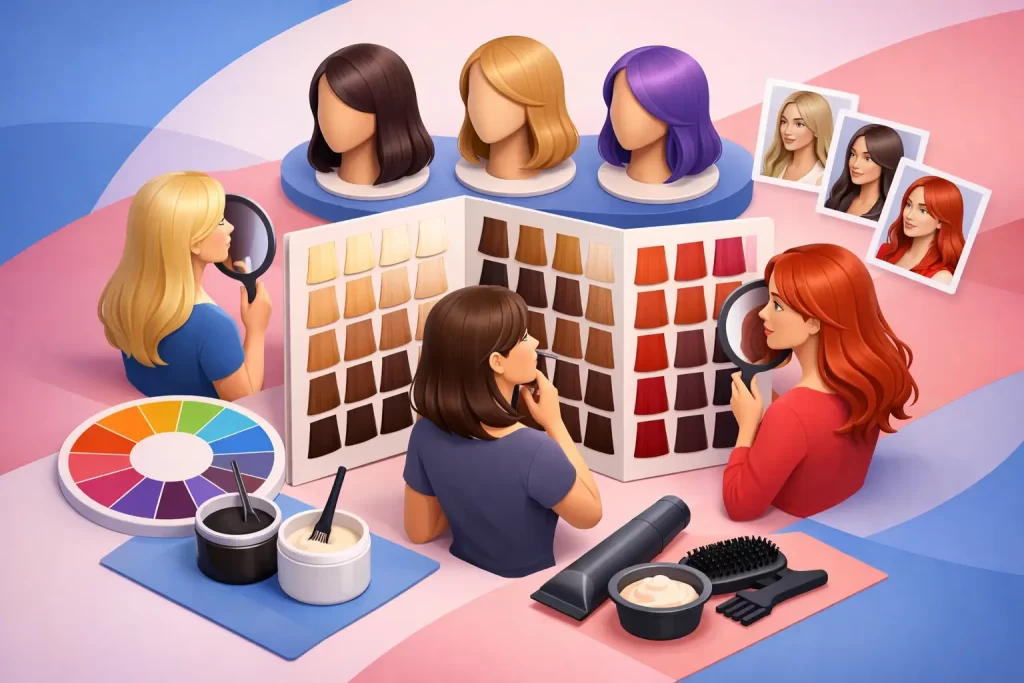
When clients ask how to choose hair color, they often start with broad families first. That can help.
Blonde is popular because it can brighten your overall look, but it is also one of the most maintenance-heavy directions, especially if you want to be very light. Warmer blondes like honey, butter, and beige often feel softer and easier to wear than icy shades, and they can be kinder to the hair in some cases.
Brunette shades are incredibly versatile and often underrated. Espresso, mocha, chestnut, mushroom brown, and caramel brunette can create richness and shine without requiring extreme processing. Brunette does not have to mean flat or dark. With the right dimension, it can feel polished and modern.
Red tones can be stunning, especially when customized to your complexion. Copper, auburn, cinnamon, and strawberry shades can add warmth and personality. The trade-off is that red tends to fade faster than many other tones, so it usually needs a little more upkeep.
Then there are in-between shades. Bronde, warm beige, soft toffee, and neutral blends are often ideal for clients who want a noticeable change without feeling too blonde or too dark. These shades are especially useful when you want flexibility.
Bring inspiration, but stay open
Photos are helpful, but they work best as a reference point, not a promise. Lighting, filters, editing, and the model’s starting hair color can all make a photo misleading.
Bring a few examples of what you like, and if possible, a few examples of what you do not like. That gives your stylist a clearer picture of your taste. Maybe you like brightness around the face but not an overall platinum result. Maybe you want warmth, but not orange. Those details help.
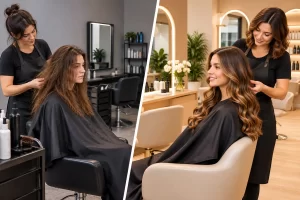
A consultation is where the real value comes in. A trained stylist looks at your skin tone, your natural level, your hair density, past color, and your maintenance preferences before recommending a formula and technique. That personalized approach usually leads to a result that feels better than copying someone else’s exact shade.
The right color should fit your life, not just your appointment
A hair color service is not just about how you leave the salon that day. It is about how your hair looks two weeks later, six weeks later, and at your next appointment. The best color choice is one that still feels right after real life happens.
That is why consultation-driven salons tend to get better long-term results. Instead of selling the most dramatic option, they help clients choose what is flattering, realistic, and sustainable. At Visions Hair Studio, that kind of personalized guidance is part of what helps clients feel confident in their color choices, especially when they want a result that looks polished without feeling high pressure.
If you are deciding on a new shade, give yourself permission to ask practical questions. How often will I need touch-ups? Will this tone pull warm? What happens as it fades? Can we make this softer around the face? Those questions are not extra. They are part of choosing well.
The best hair color is rarely the trendiest one in the room. It is the one that makes you look like yourself on your best day, and feels easy to wear long after you leave the chair.