A color correction appointment starts long before the first formula is mixed. Whether your hair turned brassy after a lightening service, came out darker than expected, has uneven bands from previous color, or needs a thoughtful transition from a major color change, the right plan protects the condition of your hair as well as the look of the final result. This guide to color correction appointments explains how a professional consultation, realistic timing, and consistent care work together.
What Counts as a Color Correction?
Color correction is a professional service designed to improve an unwanted, uneven, overly warm, overly dark, faded, or previously compromised color result. It is not always one specific technique. Depending on your hair, it may involve gentle color removal, a targeted lightening process, lowlights, toning, root blending, glossing, or strategic placement of highlights to restore dimension.
The goal is not simply to make the color look different that day. A thoughtful correction considers what your hair can safely handle, your desired shade, and the maintenance you are comfortable with afterward. For example, correcting orange tones may be relatively straightforward when the hair has lifted evenly. Correcting dark box dye, uneven bleach, or years of layered color usually requires a more gradual approach.
A professional stylist will look beyond the surface shade. Porosity, elasticity, density, prior lightening, and the condition of your ends all affect how color processes. Two clients can bring in the same inspiration photo and need completely different service plans.
Guide to Color Correction Appointments: Start With a Consultation
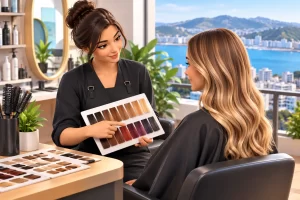
A detailed consultation is the most valuable part of a color correction service. Be prepared to share your color history as accurately as possible, including salon services, at-home color, henna, color-depositing conditioners, toners, and any chemical treatments. Even color applied months ago can influence how your hair reacts during a correction.
Bring current photos of your hair in natural light when possible, along with a few inspiration images. Your stylist needs to see both where you are now and where you would like to go. It also helps to explain what you like about each photo. You may love the brightness in one image but prefer the softer root blend in another. That distinction helps create a result that fits your features, lifestyle, and maintenance preferences.
Honesty is essential here. It can feel tempting to leave out an at-home color application because it was only used once, but that information can change the service plan. A clear history gives your stylist the best chance to work carefully and avoid unnecessary stress on your hair.
Why a Strand Test May Be Recommended
When there is significant previous color, bleach damage, uncertain product history, or a dramatic change planned, a strand test can provide useful answers before the full service. Your stylist processes a small section of hair to see how it lifts, how evenly it responds, and whether the hair maintains its integrity.
A strand test is not an extra step for the sake of delay. It helps set accurate expectations about timing, achievable tones, and the number of appointments that may be needed. It can also prevent a rushed decision that leaves the hair feeling compromised.
What to Expect During the First Appointment
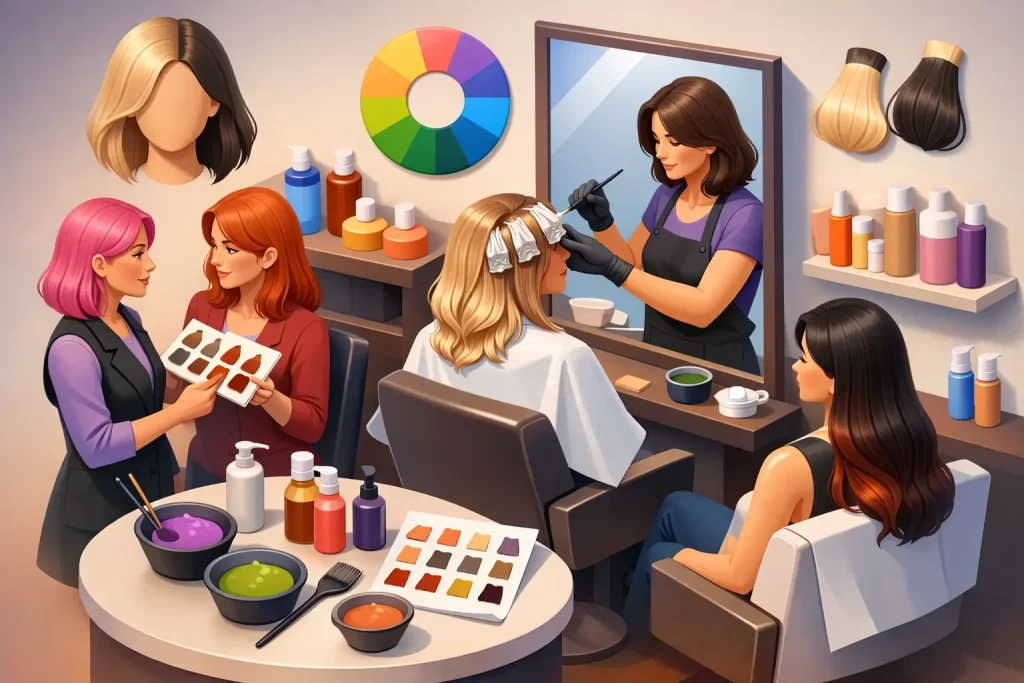
Your first color correction appointment may be longer than a standard color service. The service often includes several stages, with careful observation between each one. Your stylist may lighten certain areas while protecting others, neutralize unwanted warmth, add depth where the color looks flat, then finish with a toner or gloss to refine the overall tone.
The process is customized because uneven color rarely has one cause. A darker band through the middle of the hair, for example, may need a different approach than lighter, porous ends. Trying to process every section the same way can create more unevenness rather than solve it.
During the appointment, your stylist may adjust the plan based on how your hair responds. This is a sign of professional care, not uncertainty. Hair does not always react exactly as predicted, particularly after repeated color services. A skilled colorist watches the hair throughout the process and makes decisions that prioritize both the result and the condition of the hair.
You may leave the first visit with a beautiful, more balanced color that is not yet the final shade on your inspiration photo. That can be the healthiest and most successful outcome. Moving from very dark color to a soft, cool blonde in one day is not always realistic or advisable. In many cases, a series of appointments produces a more polished color with far less risk of breakage.
Why Timing and Pricing Can Vary
Color correction is one of the most individualized salon services. Pricing and timing depend on factors such as hair length, thickness, density, previous color buildup, desired result, and the number of techniques required. A service that looks simple from the outside may involve detailed sectioning, multiple formulas, careful rinsing, and treatment steps.
It is also worth considering your long-term maintenance. A bright, high-contrast result may require more frequent toning and root appointments. A dimensional, blended color can often grow out more softly and allow more time between visits. Neither choice is better. The right option depends on how often you want to be in the salon and how much change you want to see between appointments.
A clear consultation should include a discussion of investment before the service begins. At Visions Hair Studio, appointments are approached with attention to the individual hair needs that affect both time and complexity, so clients can make informed choices about their color plan.
How to Prepare for Your Appointment
Arrive with clean-to-moderately clean, dry hair unless your stylist has given you different instructions. Avoid heavy oils, root cover-up sprays, dry shampoo buildup, and leave-in color products right before your visit. These can make it harder to assess your true color and hair condition.
Try not to use at-home toners, purple shampoos, box dye, or lightening products in the days leading up to your appointment unless they are part of the plan your stylist recommended. A quick fix may alter the starting point and make a professional correction more complicated.
Set aside enough time for the service. It is helpful to bring a snack, water, a charger, or something to read if your appointment is expected to be lengthy. More importantly, arrive ready for an honest conversation about the result you want, the condition of your hair, and the upkeep that feels realistic for you.
Caring for Your Hair Between Correction Visits
The care you give your hair after a correction supports the work done in the salon. Your stylist may recommend professional products based on whether your hair needs moisture, strengthening support, color protection, or toning maintenance. Use them as directed rather than assuming more product or more frequent treatment will produce better results.
Limit high heat when possible, and always use a heat protectant before blow-drying, curling, or flat-ironing. If your hair has been lightened, gentle detangling and regular conditioning are especially important. Scheduling a trim when needed can also help prevent fragile ends from traveling upward.
If your color becomes warmer, duller, or less even between visits, reach out before trying to correct it yourself. Sometimes a gloss, toner, or adjustment appointment is all that is needed. At-home color can turn a manageable refresh into a longer correction process.
Questions Worth Asking Your Stylist
A good color correction plan should feel clear, even when the process will take more than one visit. Ask what can be achieved safely during the first appointment, what future appointments may involve, and what maintenance will look like at home and in the salon. You can also ask whether a strand test is appropriate and which tones are realistic for your hair right now.
Most of all, ask what will keep your hair looking and feeling its best. The most flattering color is one that complements your goals without asking your hair to do more than it can safely handle. With a patient plan and a stylist who listens closely, each appointment can move you closer to color that feels intentional, healthy, and genuinely like you.