Fresh salon color has a way of making everything feel more polished – until the shine softens, the tone shifts, or your roots start reminding you that color needs maintenance. If you have ever wondered how to maintain salon color without guessing your way through products and habits, the answer is usually less about doing more and more about doing the right things consistently.
Color fades for different reasons, and not all fading means the same thing. Sometimes the issue is simple wash wear. Sometimes it is sun exposure, hard water, heat styling, or using products that are too harsh for color-treated hair. The best maintenance plan depends on your shade, your hair condition, and how often you style it, which is why professional guidance matters so much after your appointment, not just during it.
How to maintain salon color starts in the shower
The biggest mistake people make is treating freshly colored hair the same way they treated it before their service. Most salon color looks best when the cuticle stays as smooth and protected as possible. That means the products and water temperature you use at home matter more than many people realize.
A sulfate-free, color-safe shampoo is usually the first step. Strong cleansers can strip away tone faster, especially if your hair is lightened, glossed, or toned to achieve a specific finish. If your hair tends to get oily, that does not always mean you need a harsher shampoo. It may mean you need to wash more strategically, focusing cleanser at the scalp and being gentler through the mid-lengths and ends.
Water temperature also plays a role. Hot water feels relaxing, but it can encourage faster fading by opening the hair cuticle more than necessary. Lukewarm water is a better everyday choice, and a quick cool rinse at the end can help hair feel smoother and look shinier.
Washing less often can extend your color, but there is some nuance here. Skipping too many wash days can lead to buildup, dullness, or scalp irritation, especially in Florida’s heat and humidity. For many people, every two to three days is a realistic balance. Dry shampoo can help stretch time between washes, but it should not replace a healthy cleansing routine altogether.
Protect the tone, not just the color
When clients say their color faded, they are often noticing a change in tone before they notice a loss of depth. Blondes may turn brassy. Brunettes can look warmer or flatter than intended. Reds may lose their richness quickly because red pigment is naturally less stable. In other words, maintaining salon color is not only about keeping it darker or lighter. It is about preserving the tone your stylist created.
This is where maintenance products need to be chosen carefully. A purple shampoo may help some blondes, but using it too often can leave hair feeling dry or make the tone look dull. Blue shampoo can support cooler brunettes, but it is not right for every brunette. Color-depositing conditioners can be useful between appointments, especially for reds and fashion tones, though they work best as support, not as a substitute for professional color.
The safest approach is to follow the home-care plan recommended for your specific service. A highlighted blonde, a single-process brunette, and a copper gloss all need different maintenance. One-size-fits-all advice tends to create uneven results.
Heat styling can shorten the life of your color
Flat irons, curling irons, and frequent blow-drying do more than dry out the hair. Excessive heat can weaken the surface of the hair, making color appear faded, rough, or less reflective. If your color does not look as vibrant as it did in the salon, damage may be part of the problem.
You do not need to give up styling to protect your investment. You do need a heat protectant every time, and you need to be realistic about your temperature settings. Fine hair usually does not need the same heat as thick, coarse hair. Hair that has been lightened or chemically processed often needs lower heat than people expect.
Air-drying partway before blow-drying can help. So can limiting high-heat tools to the days when you really want a polished finish. Small changes in your routine often preserve color better than expensive corrective products later.
Sun, pools, and hard water all matter
In a place like Wellington, outdoor exposure is part of life, and it can absolutely affect your color. UV rays can fade salon color, especially reds, coppers, and lighter tones. Pool water can leave blondes looking dry or discolored, while mineral-heavy water can create brassiness and dullness across many shades.
If you spend a lot of time outside, a hat is one of the simplest ways to protect your hair and scalp. UV-protective hair products can also help, especially during long days in the sun. Before swimming, saturating your hair with clean water and applying a leave-in conditioner can reduce how much pool water the hair absorbs.
Hard water is more frustrating because many people do not realize it is part of the issue. If your color seems to shift quickly no matter what products you use, mineral buildup may be interfering. A stylist may recommend a clarifying or chelating treatment occasionally, but timing matters. Overdoing clarifying products can work against color retention, so this is another place where personalized advice is worth following.
Conditioning is part of color care
Healthy hair holds color better. That is one reason conditioning is not optional after color services, especially if your hair is lightened, highlighted, or already dry. When hair is dehydrated, the surface becomes rougher, and color can look less even and less reflective.
A good conditioner after every wash helps maintain softness and manageability. A weekly mask can add extra support, but heavier is not always better. Fine hair can get weighed down by products that are too rich, while thicker or curlier hair may benefit from deeper moisture. If your hair feels coated instead of soft, the formula may be wrong for your texture.
Leave-in conditioners are often a smart addition, especially if you use heat, spend time outdoors, or struggle with tangling. They help reduce friction and dryness, which supports both shine and color longevity.
Why timing your appointments matters
One of the best answers to how to maintain salon color is also one of the simplest: do not wait too long between services. Many people try to stretch appointments until the color is well past its best point, then feel disappointed that a quick touch-up is no longer enough.
The right schedule depends on your service. Root touch-ups often need a different cadence than highlights or glosses. A toner may need refreshing sooner than your full color. If you cover gray, your maintenance timeline may be more structured than someone wearing a softer, lived-in blonde.
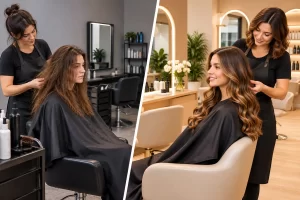
This is where a consultation-led salon experience makes a difference. A stylist who understands your hair density, condition, tone goals, and daily routine can recommend a schedule that keeps your color looking intentional rather than overdue. That plan is usually more efficient than waiting until correction is needed.
How to talk to your stylist about maintenance
The most successful color clients are not the ones who buy every product on the shelf. They are the ones who ask good questions and follow a realistic plan. Before you leave your appointment, it helps to ask what will make your specific color fade faster, how often you should wash, whether you need a toning product, and when you should come back.
It is also helpful to be honest about your habits. If you swim often, work out daily, use hot tools most mornings, or prefer low-maintenance color, say so. Your stylist can adjust both the formula and the upkeep plan around your real life. That is how long-term color success usually happens – not through perfect routines, but through smart ones.
At Visions Hair Studio, that personalized approach is part of what makes color maintenance feel more manageable. Professional color should fit your lifestyle, not create stress between appointments.
The habits that make the biggest difference
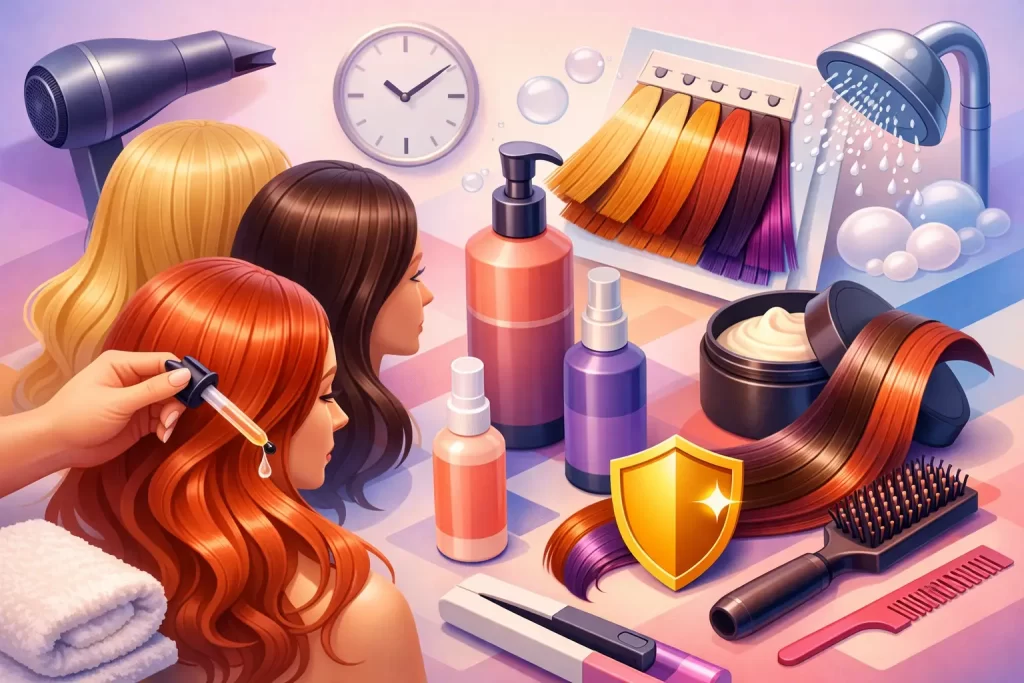
If you want the shortest version, maintain salon color by washing gently, using color-safe products, protecting your hair from heat and sun, conditioning regularly, and staying on schedule with your stylist. None of those habits are dramatic on their own. Together, they make a visible difference.
Good color care is really about consistency. The clients whose hair stays glossy, balanced, and fresh-looking are usually not doing anything extreme. They are simply protecting the work that was done in the salon and making choices that support it day after day.
A great color appointment should last longer than the drive home. With the right home care and the right maintenance plan, your hair can keep that fresh, polished look well beyond the first week.